All Episodes
Displaying 21 - 40 of 124 in total
What Is Vishing?
Vishing is a form of phishing conducted through telephone calls, voice messages, or internet-based voice services. Certification exams may present a caller who claims ...

What Is Pretexting?
Pretexting is a social-engineering technique in which an attacker invents an identity, relationship, or situation to persuade someone to reveal information or perform ...

What Is a Watering-Hole Attack?
A watering-hole attack targets a website or online service that is regularly visited by a specific organization, profession, industry, or community. Certification exam...

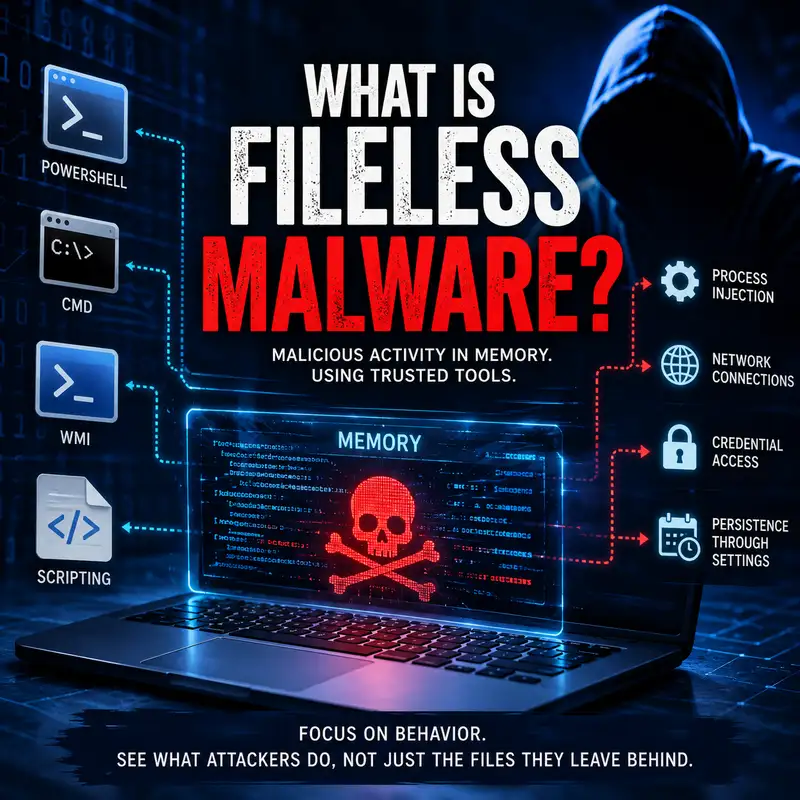
What Is a Drive-By Download?
A drive-by download occurs when visiting a malicious or compromised website causes unwanted software, scripts, or other content to be delivered to a device. Certificat...
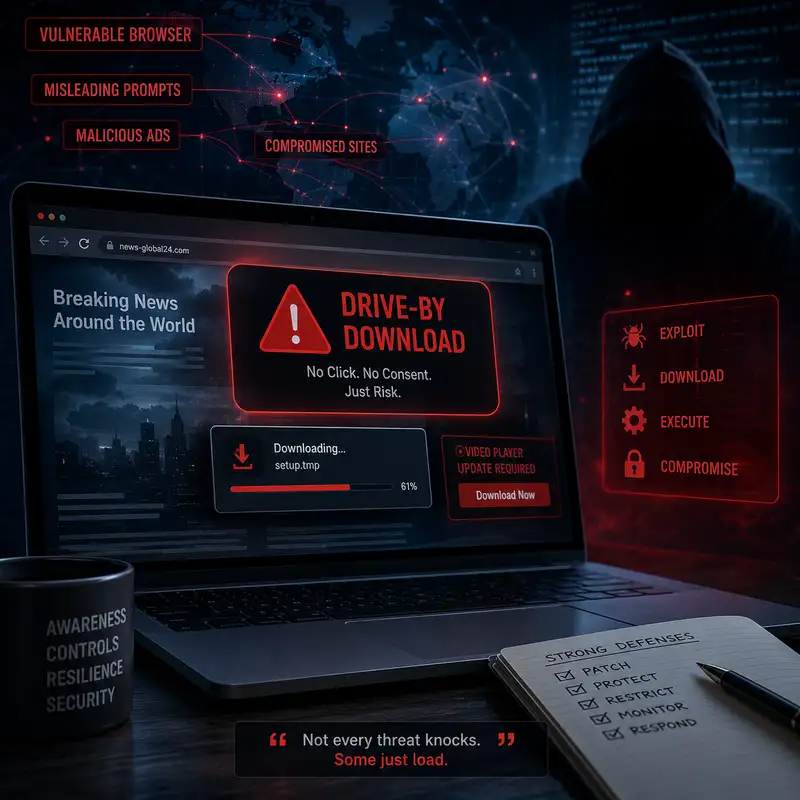
What Is Fileless Malware?
Fileless malware performs much of its malicious activity in memory or through trusted system tools instead of depending on a conventional executable file stored perman...
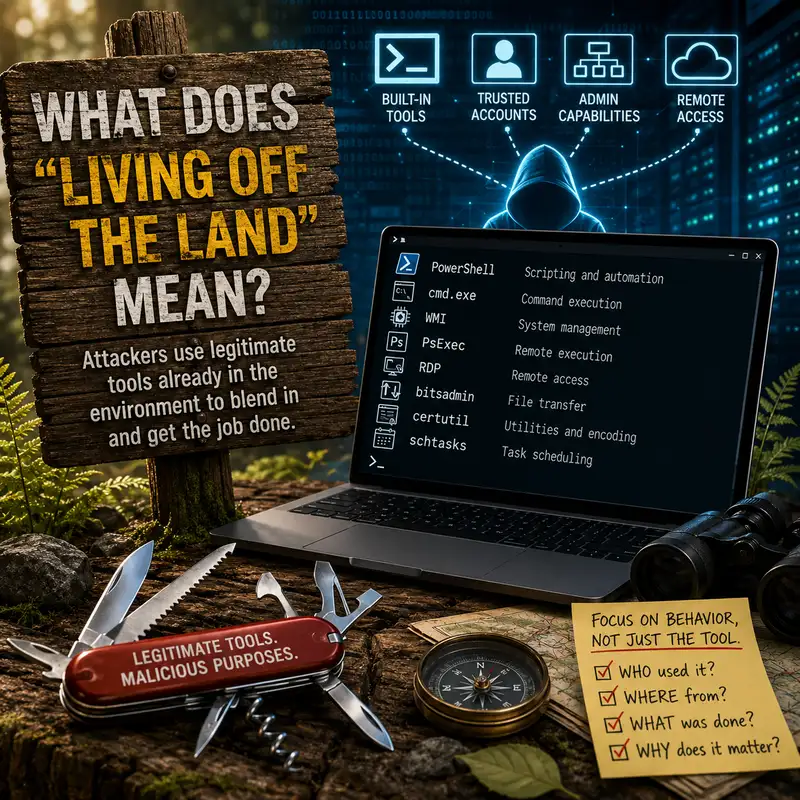
What Does “Living off the Land” Mean?
Living off the land means using legitimate tools, utilities, and administrative capabilities already present in an environment to perform malicious actions. Certificat...
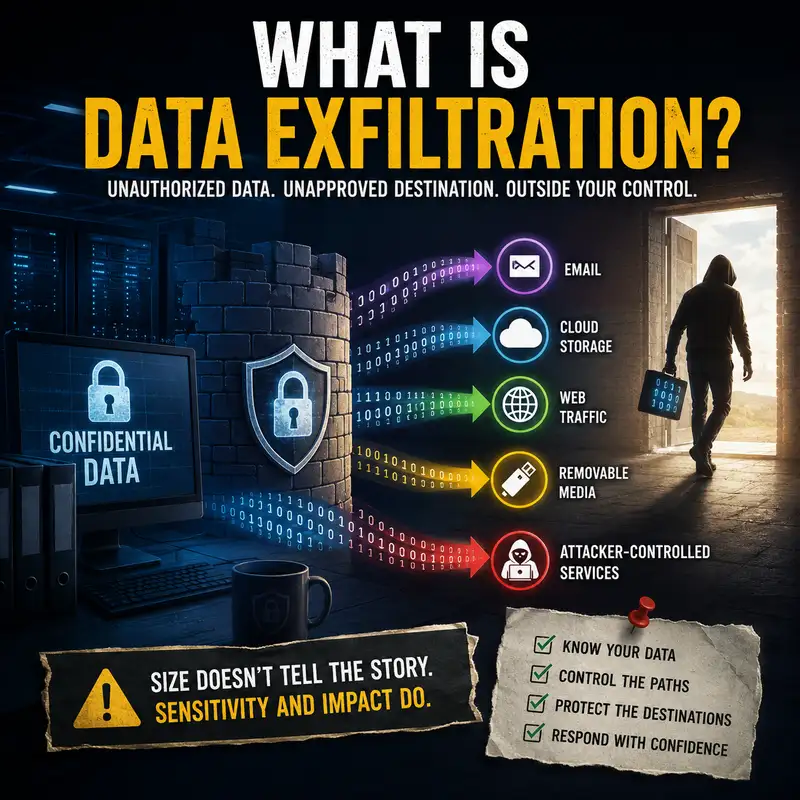
What Is Data Exfiltration?
Data exfiltration is the unauthorized transfer of information from an organization’s systems to a location controlled by an attacker or another unapproved party. Certi...
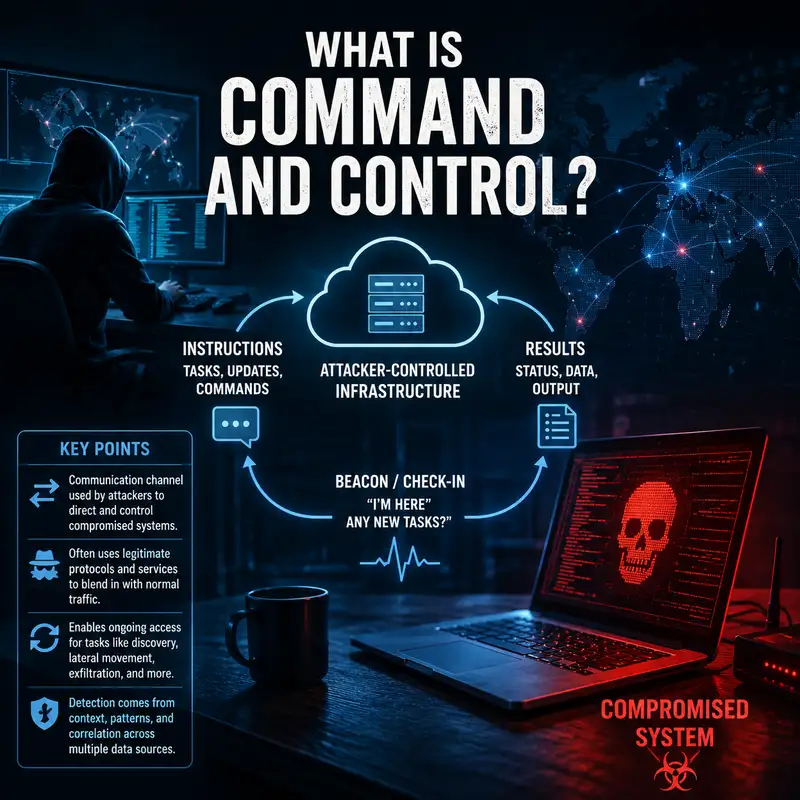
What Is Command and Control?
Command and control is the communication mechanism an attacker uses to send instructions to a compromised system and receive status information, stolen data, or the re...
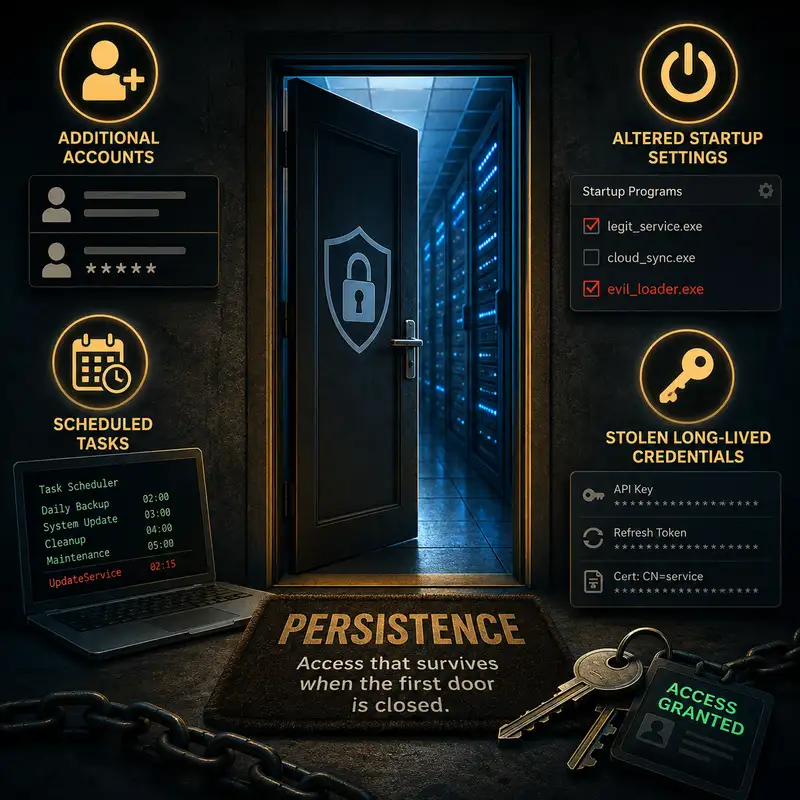
What Is Persistence?
Persistence is a technique that allows an attacker to maintain access to a system or environment after the original entry point has been removed, credentials have chan...
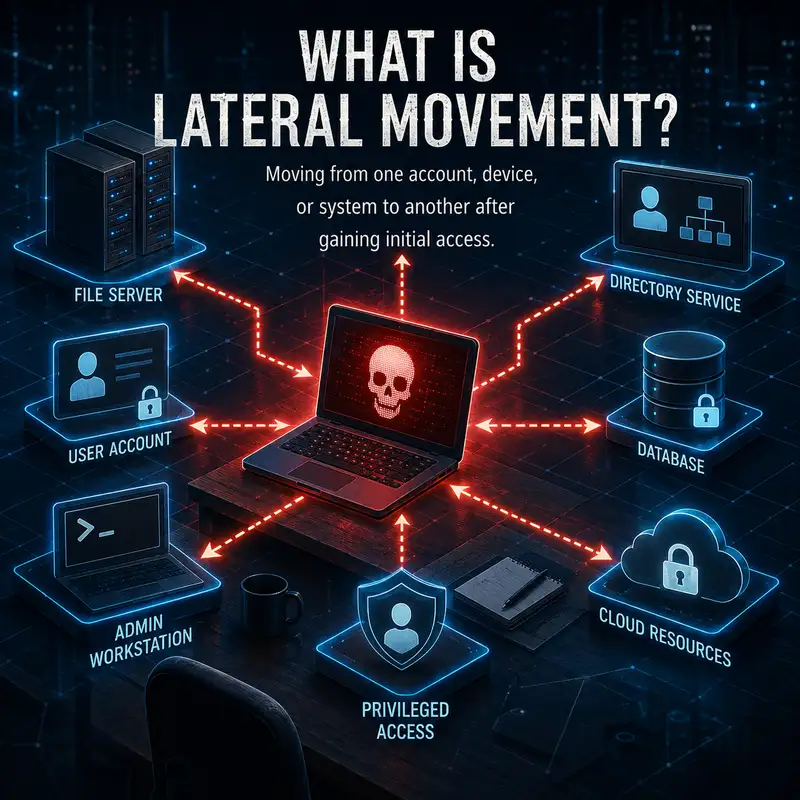
What Is Lateral Movement?
Lateral movement is the process an attacker uses to move from an initially compromised account, device, or system to other resources within the same environment. Certi...
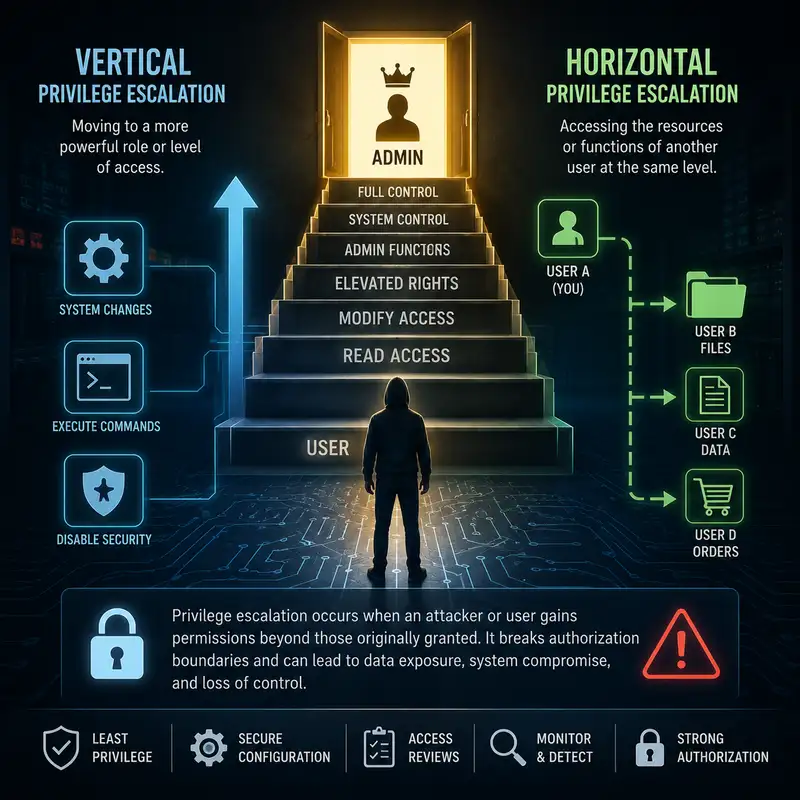
What Is Privilege Escalation?
Privilege escalation occurs when a user or attacker obtains permissions beyond those originally assigned, allowing access to restricted functions, data, or systems. Ce...
What Is Session Hijacking?
Session hijacking occurs when an attacker steals, predicts, intercepts, or reuses the token that an application relies on to recognize an authenticated user. Certifica...

What Is MFA Fatigue?
MFA fatigue is an attack in which a threat actor repeatedly sends multifactor authentication prompts to a user after obtaining or guessing the user’s password. Certifi...

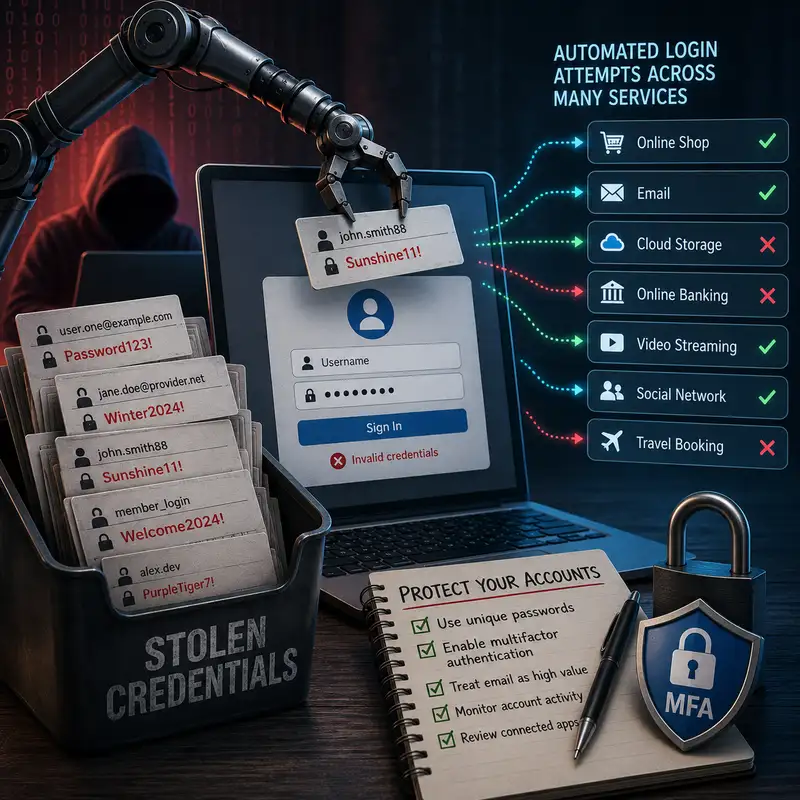
What Is Credential Stuffing?
Credential stuffing is an attack that uses stolen username-and-password combinations from one service to attempt access to accounts on other services. Certification ex...
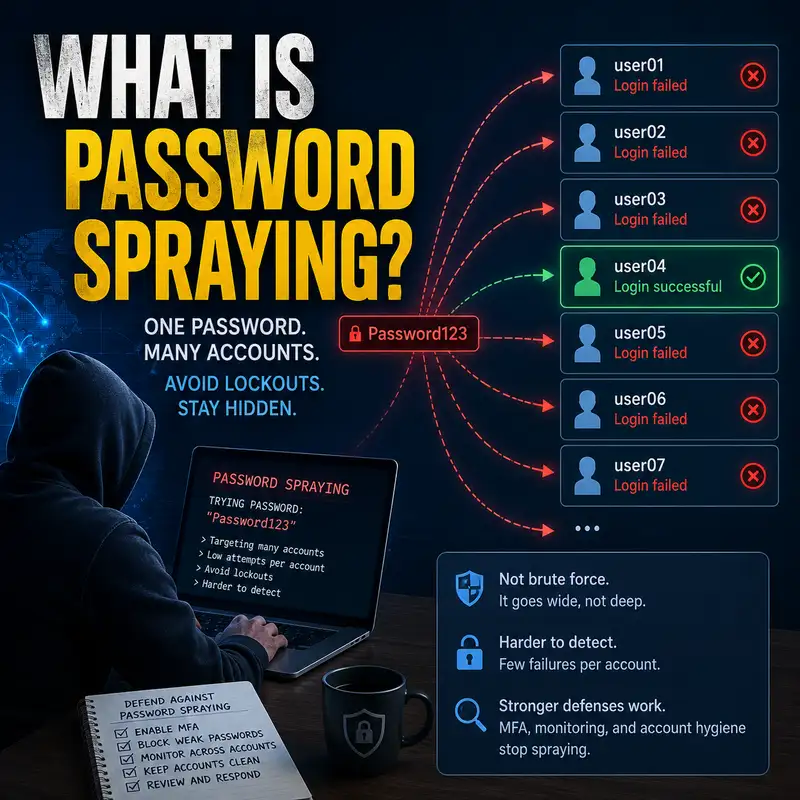
What Is Password Spraying?
Password spraying is an authentication attack in which an attacker tests one or a small number of commonly used passwords against many different accounts. Certificatio...
What Is Account Deprovisioning?
Account deprovisioning is the process of disabling, removing, or modifying access when a person leaves an organization, changes roles, completes a contract, or no long...
What Is a Dormant Account?
A dormant account is an enabled account that has not been used for an extended period but still retains the ability to authenticate or access resources. Certification ...
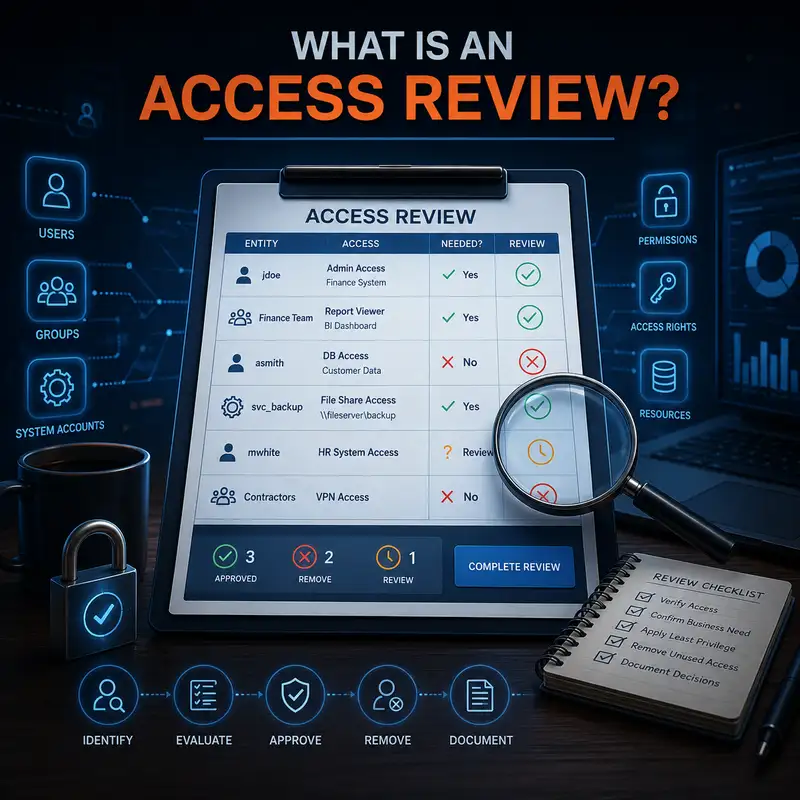
What Is an Access Review?
An access review is a formal examination of user, administrator, service, and application permissions to determine whether each account still requires its assigned acc...
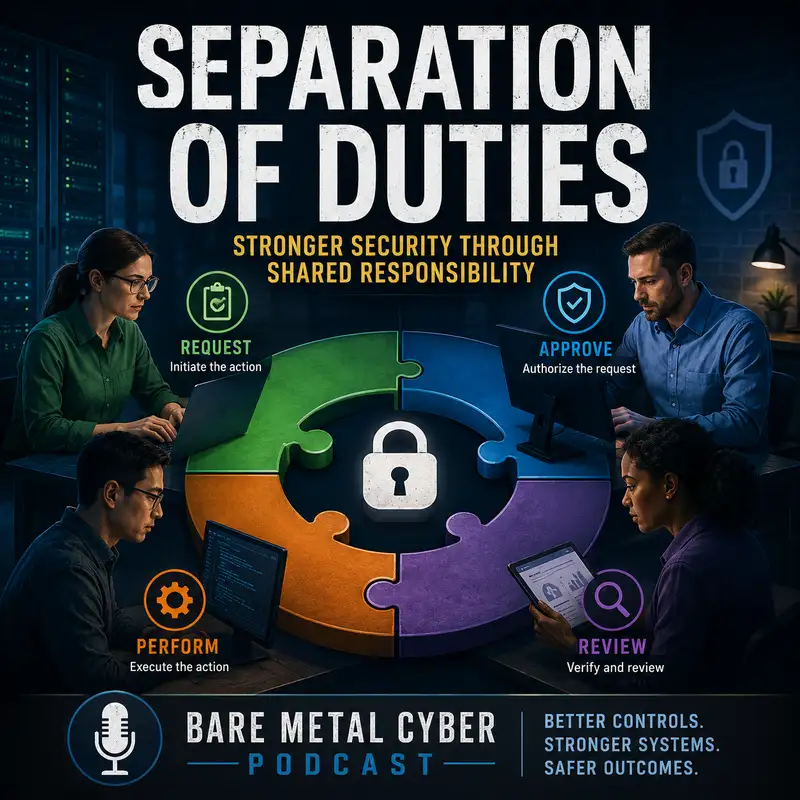
What Is Separation of Duties?
Separation of duties is a control that divides a sensitive task or business process among multiple individuals or roles so that one person cannot complete every critic...
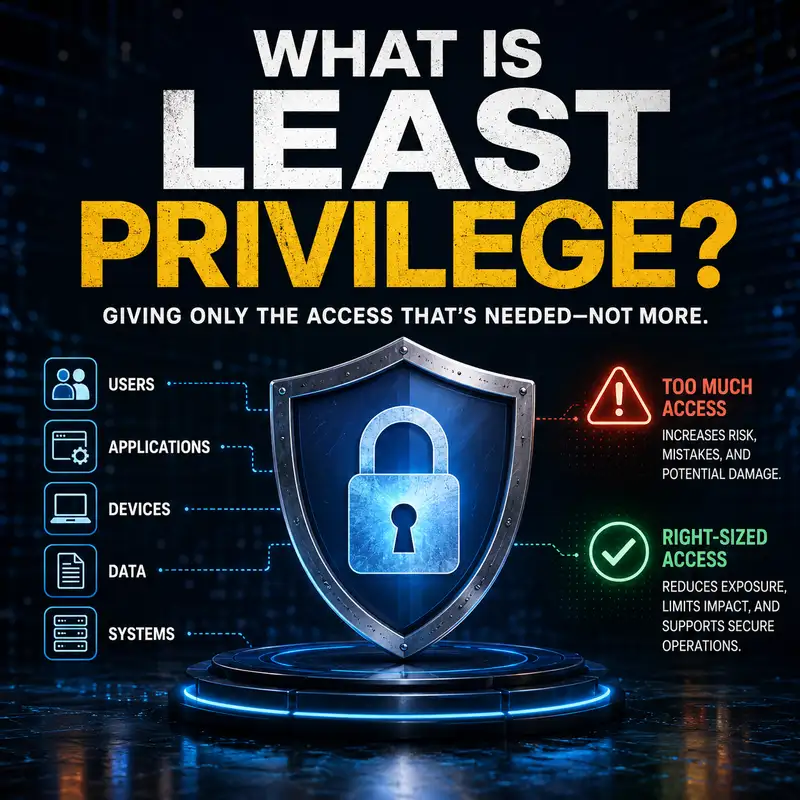
What Is Least Privilege?
Least privilege is the security principle of granting a user, application, service, or device only the permissions required to perform its assigned function and no mor...