All Episodes
Displaying 41 - 60 of 124 in total
What Is Residual Risk?
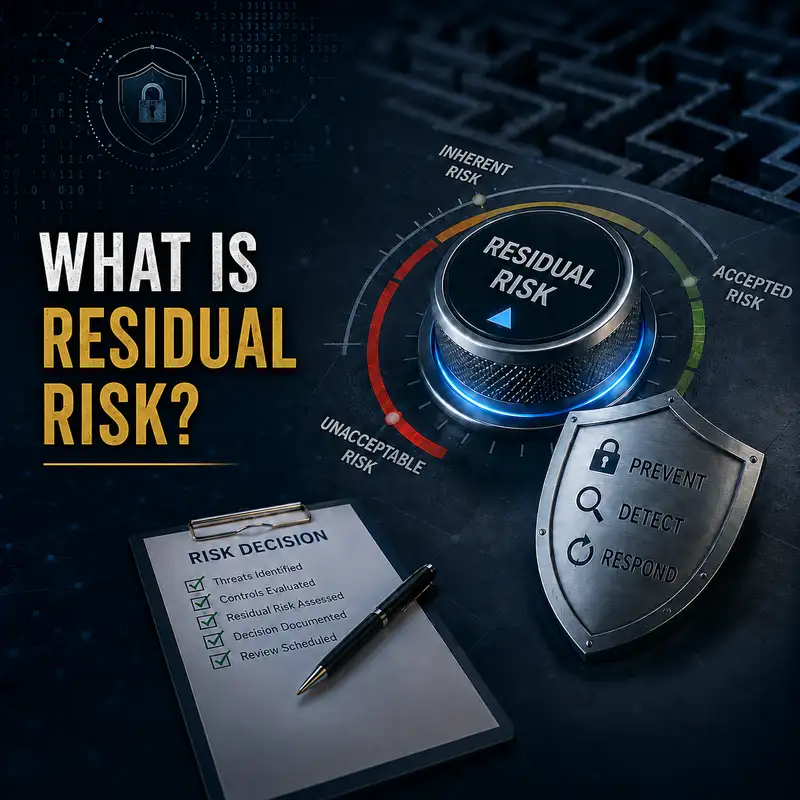
Residual risk is the portion of risk that remains after security controls have been selected and implemented. Certification exams frequently ask candidates to distingu...
What Is a Compensating Control?
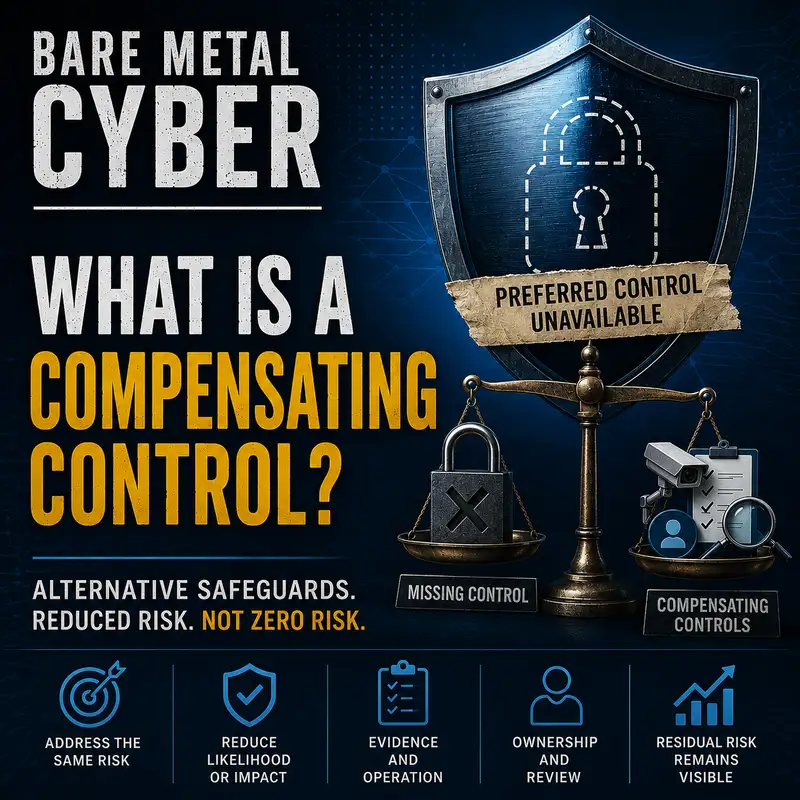
A compensating control is an alternative safeguard used when the preferred or required control cannot be implemented because of technical, operational, financial, or c...
What Does “Default Deny” Mean?
Default deny is an access-control approach in which activity is blocked unless a rule explicitly permits it. Certification exams may contrast this model with default a...
What Is a Security Misconfiguration?
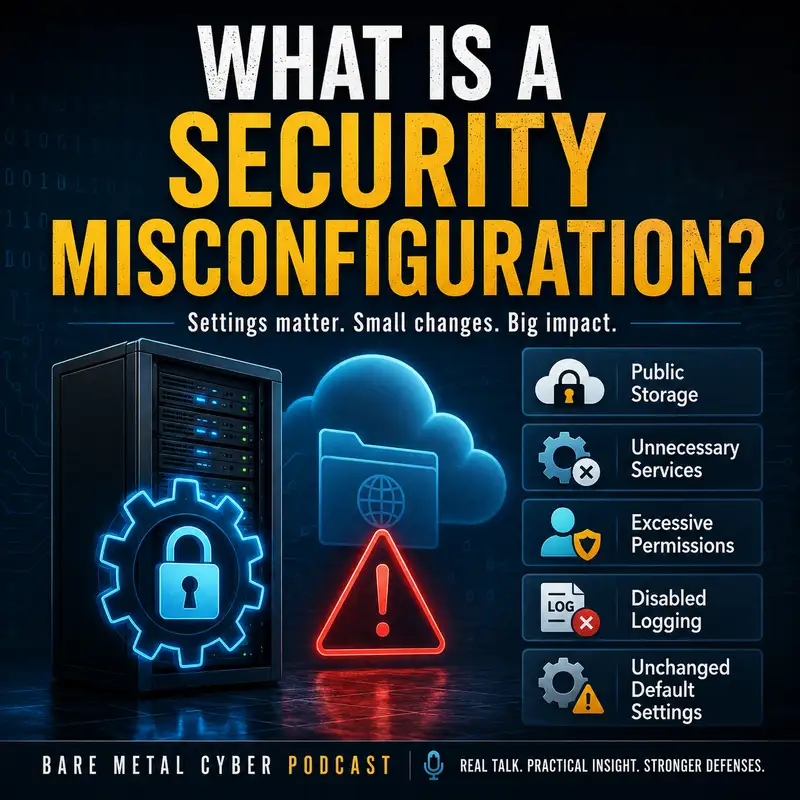
A security misconfiguration occurs when a system, application, network device, or cloud service is deployed with settings that provide less protection than intended. E...
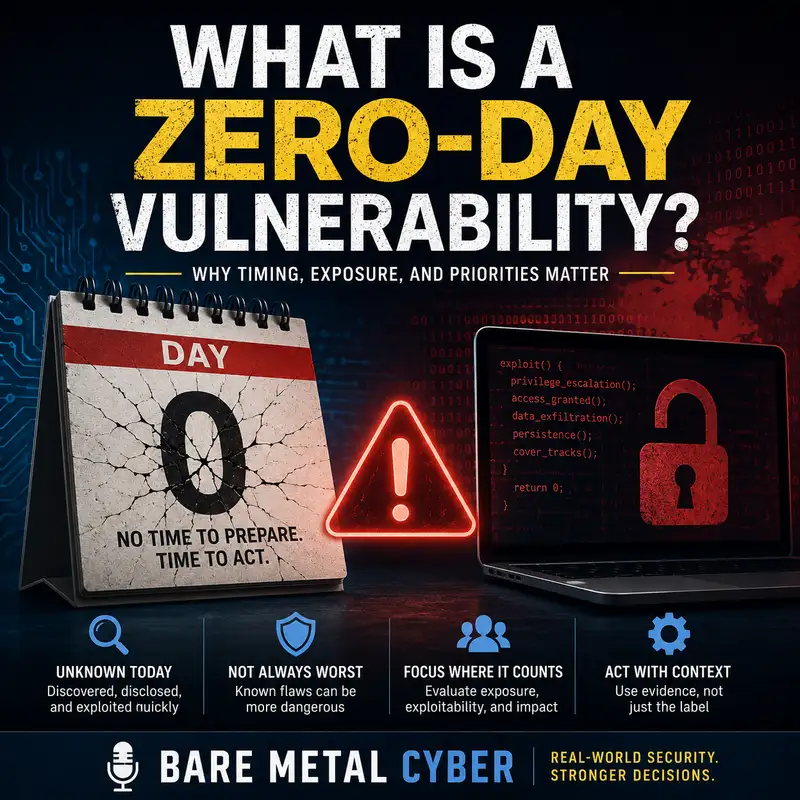
What Is a Zero-Day Vulnerability?
A zero-day vulnerability is a previously unknown or uncorrected weakness for which defenders have had little or no time to deploy a vendor-provided fix before exploita...
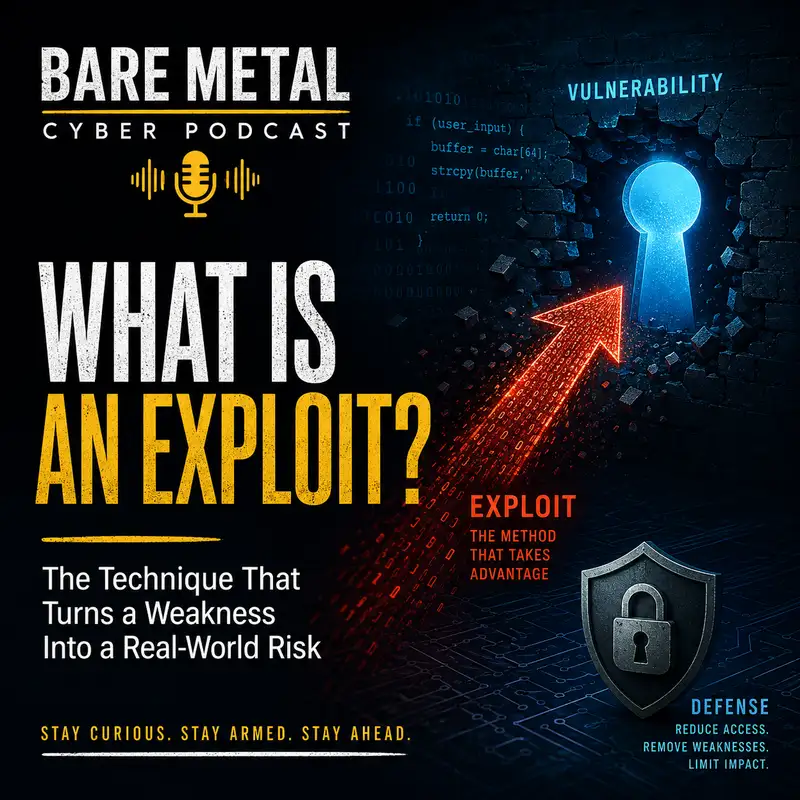
What Is an Exploit?
An exploit is a technique, command sequence, or piece of software designed to take advantage of a vulnerability and produce an unintended result. Certification exams o...
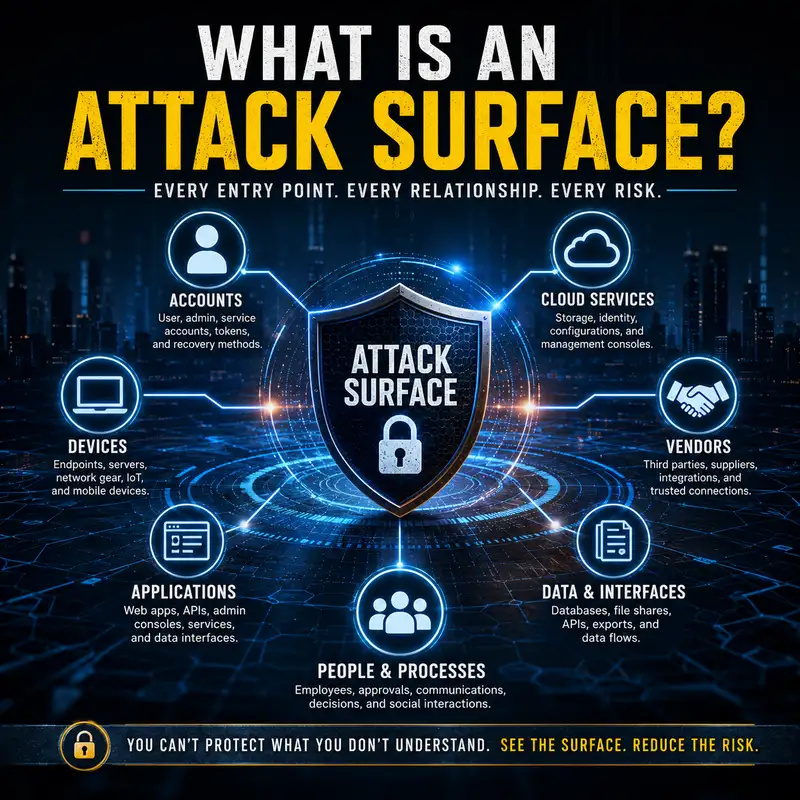
What Is an Attack Surface?
An attack surface consists of every point where an unauthorized person could attempt to enter a system, manipulate its operation, or extract information. Certification...
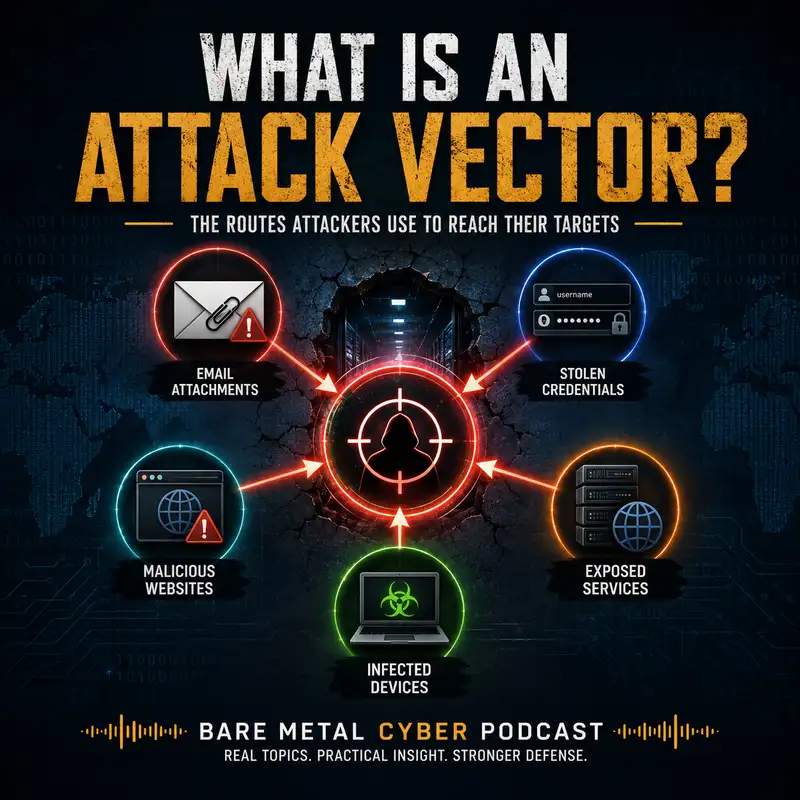
What Is an Attack Vector?
An attack vector is the route, method, or mechanism an attacker uses to gain access to a system, deliver malicious content, or influence a user. Exam scenarios often r...
What Is a Threat Actor?
A threat actor is an individual, group, organization, or government entity responsible for conducting or supporting malicious activity against a target. Certification ...

Threat, Vulnerability, and Risk: What Is the Difference?
A threat is any circumstance, event, or actor capable of causing harm, while a vulnerability is a weakness that could be exploited, and risk represents the potential i...
Threat-Informed Defense: Using ATT&CK and Models to Plan Improvements
Threat informed defense means using knowledge about real attacks to guide security work, so defensive choices stay connected to how adversaries actually behave in the ...
Triage 101: What Happens When an Alert Fires.
Alert triage is the first pass an analyst makes on incoming security alerts. In those first few minutes, the analyst decides whether something needs fast action or pat...
Logs, Events, and Alerts: Turning Raw Data Into a Story
Logs are the raw notes that help turn messy digital activity into clear security stories. Every website, device, and application constantly writes these notes in the b...
Types of Security Controls: Preventive, Detective, Corrective, and More
Security controls are the many small and large actions, tools, and rules that organizations use to keep information, systems, and people safe from harm. When someone i...
Defense in Depth: Layers That Work Together
Defense in depth is a simple idea that quietly shapes strong cybersecurity for real organizations. Instead of trusting one perfect barrier, defense in depth stacks sev...
Network Segmentation Made Simple
Network segmentation sounds like a complex expert topic, but it starts very simply. If you understand that computers send messages over shared roads, segmentation shap...
You Can’t Secure What You Can’t See: Asset Inventory Basics
Welcome to our exploration of why you cannot secure what you cannot see in cybersecurity. This episode focuses on asset inventory, the simple idea of knowing exactly w...
Patch and Update Management Foundations
Patch and update management is where earlier vulnerability concepts finally turn into concrete daily security actions. When you scan for weaknesses or read about new f...
Vulnerabilities, CVEs, and CVSS Scores Explained.
Vulnerabilities sit at the center of almost every cybersecurity story people read about today. A vulnerability is a weakness in hardware, software, or a process that a...
Threat Modeling 101: Thinking Like an Attacker
Threat modeling is a structured way to think about how systems might be attacked before any real harm occurs. Instead of picturing hacking as mysterious magic, threat ...